GAP
Gap-Type
GAP conductors combine thermal-resistant aluminum alloy strands with a high-strength steel core, separated by a gap filled with temperature resistant grease. This design enables high ampacity, reduced sag, and superior durability—making them ideal for reconductoring, long spans, and modern high-voltage networks.

GAP
Gap-Type
GAP conductors combine thermal-resistant aluminum alloy strands with a high-strength steel core, separated by a gap filled with temperature resistant grease. This design enables high ampacity, reduced sag, and superior durability—making them ideal for reconductoring, long spans, and modern high-voltage networks.

GAP
Gap-Type
GAP conductors combine thermal-resistant aluminum alloy strands with a high-strength steel core, separated by a gap filled with temperature resistant grease. This design enables high ampacity, reduced sag, and superior durability—making them ideal for reconductoring, long spans, and modern high-voltage networks.

conductor construction
Strong at the center.
Stable in performance.
Built for extreme conditions.
Gap design transfers tension to the steel core, minimizing thermal expansion and sag even at elevated operating temperatures.
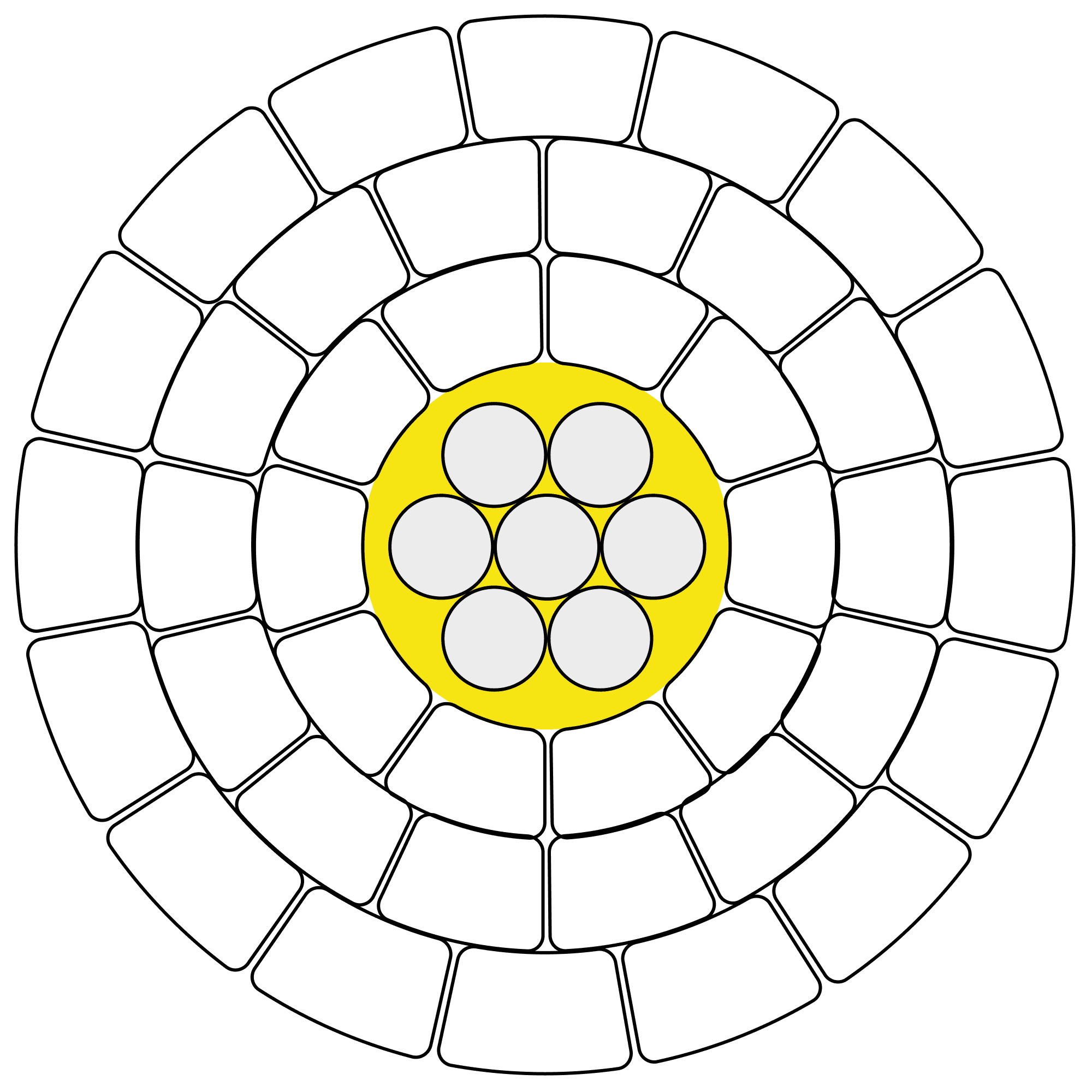


STRANDING
Thermal-resistant aluminum alloy (AT1 / AT3 type) wires, round or trapezoidal (TW),
CORE composition
Ultra/high-strength zinc or Zn-5% Al-MM coated steel core with annular gap filled by heat-resistant grease
1.6-2x
Higher current-carrying capacity than equivalent ACSR conductors.
1.6-2x
Higher current-carrying capacity than equivalent ACSR conductors.
1.6-2x
Higher current-carrying capacity than equivalent ACSR conductors.
Upto
210°C
Continuous operating temperature range while retaining mechanical strength.
40%
Lower sag under high load conditions thanks to gap design and grease filling.
40%
Lower sag under high load conditions thanks to gap design and grease filling.
40%
Lower sag under high load conditions thanks to gap design and grease filling.
40
Years service life with superior corrosion and fatigue resistance.
40
Years service life with superior corrosion and fatigue resistance.
40
Years service life with superior corrosion and fatigue resistance.
APPLICATIONS
For High-Capacity Lines and Future-Ready Grids
GAP conductors excel in reconductoring transmission lines, medium to extra-high voltage networks, long-span crossings over rivers and valleys, renewable energy integration, and utility power distribution systems.


Renewable Energy Transmission

New line and Reconductoring Lines

Power Distribution Networks

Renewable Energy Transmission

New line and Reconductoring Lines

Power Distribution Networks

Renewable Energy Transmission

New line and Reconductoring Lines

Power Distribution Networks

Renewable Energy Transmission

New line and Reconductoring Lines

Power Distribution Networks

Renewable Energy Transmission

New line and Reconductoring Lines

Power Distribution Networks

Renewable Energy Transmission

New line and Reconductoring Lines

Power Distribution Networks

Renewable Energy Transmission

New line and Reconductoring Lines

Power Distribution Networks

Renewable Energy Transmission

New line and Reconductoring Lines

Power Distribution Networks
FEATURES
Engineered for High Capacity and Low Sag
Built for higher operating temperatures, GAP conductors combine superior conductivity and mechanical support—delivering consistent clearance, long-span efficiency, and reliable high-voltage transmission performance.
Higher Operating Temperature
Heat-Ready.
Capacity Unlocked.
Withstands continuous operation from upto 210°C, enabling greater current flow without compromising mechanical integrity.
Higher Operating Temperature
Heat-Ready.
Capacity Unlocked.
Withstands continuous operation from upto 210°C, enabling greater current flow without compromising mechanical integrity.
Higher Operating Temperature
Heat-Ready.
Capacity Unlocked.
Withstands continuous operation from upto 210°C, enabling greater current flow without compromising mechanical integrity.
Increased Ampacity
More Current.
Same Corridor.
Carries up to 1.6–2x the capacity of equivalent ACSR, making it a cost-effective solution for line uprating.
Increased Ampacity
More Current.
Same Corridor.
Carries up to 1.6–2x the capacity of equivalent ACSR, making it a cost-effective solution for line uprating.
Increased Ampacity
More Current.
Same Corridor.
Carries up to 1.6–2x the capacity of equivalent ACSR, making it a cost-effective solution for line uprating.
reduced Sag
Gap Advantage.
Stable Lines.
Special gap design with grease filling reduces thermal expansion impact, maintaining low sag even at elevated temperatures.
reduced Sag
Gap Advantage.
Stable Lines.
Special gap design with grease filling reduces thermal expansion impact, maintaining low sag even at elevated temperatures.
reduced Sag
Gap Advantage.
Stable Lines.
Special gap design with grease filling reduces thermal expansion impact, maintaining low sag even at elevated temperatures.
reconductoring ready
Upgrade Ready.
No Reinforcement.
Replaces existing conductors without modifying or strengthening towers, enabling faster, cost-effective capacity increases.
reconductoring ready
Upgrade Ready.
No Reinforcement.
Replaces existing conductors without modifying or strengthening towers, enabling faster, cost-effective capacity increases.
reconductoring ready
Upgrade Ready.
No Reinforcement.
Replaces existing conductors without modifying or strengthening towers, enabling faster, cost-effective capacity increases.
Corrosion Resistant
Protected Core.
Longer Life.
Less prone to vibration-induced damage, GAP Type conductor extends operational lifespan while reducing maintenance requirements.
Corrosion Resistant
Protected Core.
Longer Life.
Less prone to vibration-induced damage, GAP Type conductor extends operational lifespan while reducing maintenance requirements.
Corrosion Resistant
Protected Core.
Longer Life.
Less prone to vibration-induced damage, GAP Type conductor extends operational lifespan while reducing maintenance requirements.
Environmental Integration
Low-Impact.
High Efficiency.
Non-specular surface improves emissivity and reduces visual impact against skylines and landscapes.
Environmental Integration
Low-Impact.
High Efficiency.
Non-specular surface improves emissivity and reduces visual impact against skylines and landscapes.
Environmental Integration
Low-Impact.
High Efficiency.
Non-specular surface improves emissivity and reduces visual impact against skylines and landscapes.
VARIANTS
Variants That Match Your Vision
Multiple GAP profiles, optimized for different conditions — from mechanical stress to conductor size, weather resistance, and voltage class.
Gap
Non Specular
Matthew
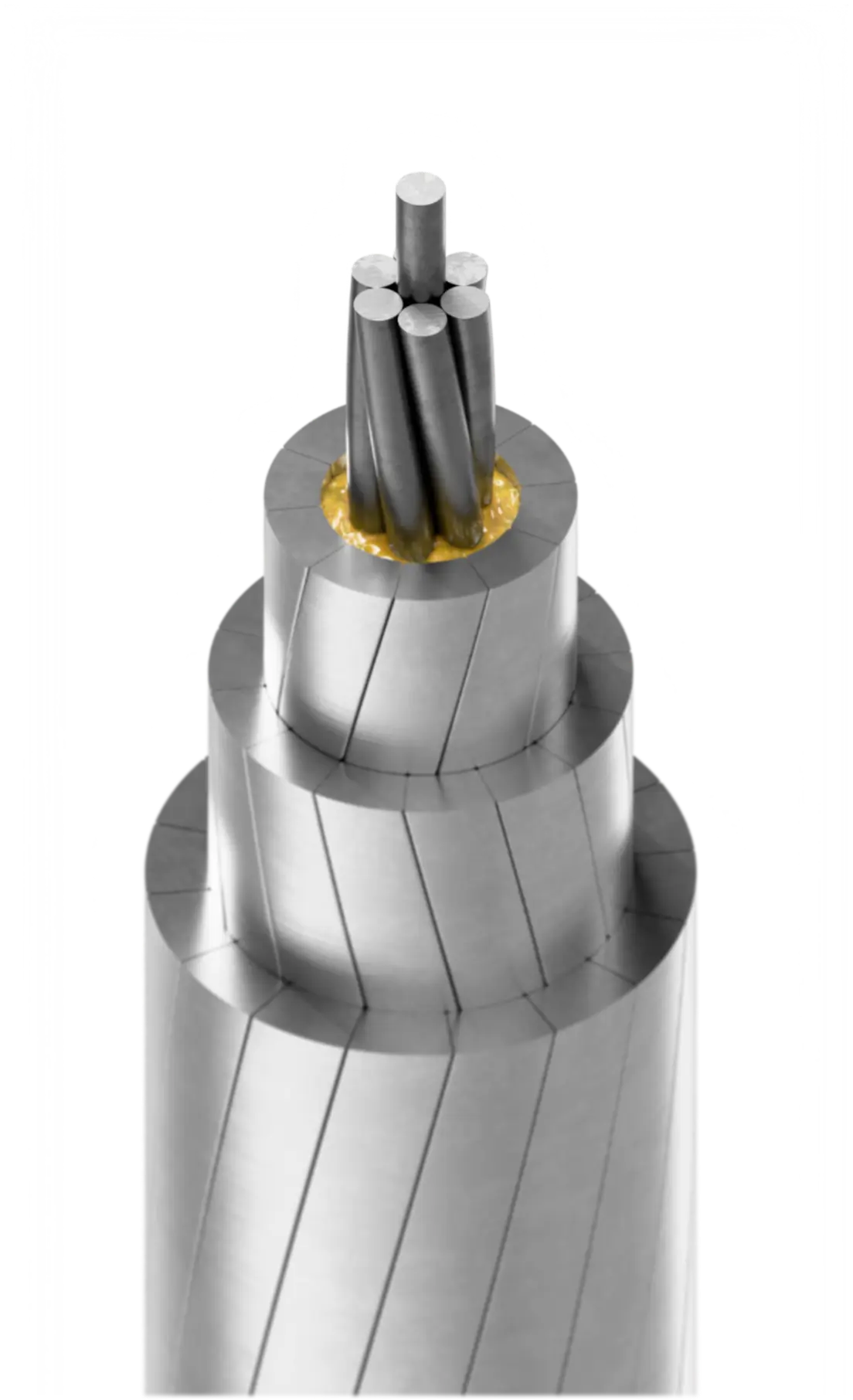
Gap
Non Specular
Matthew

Gap
Non Specular
Matthew

Gap
568 sq mm
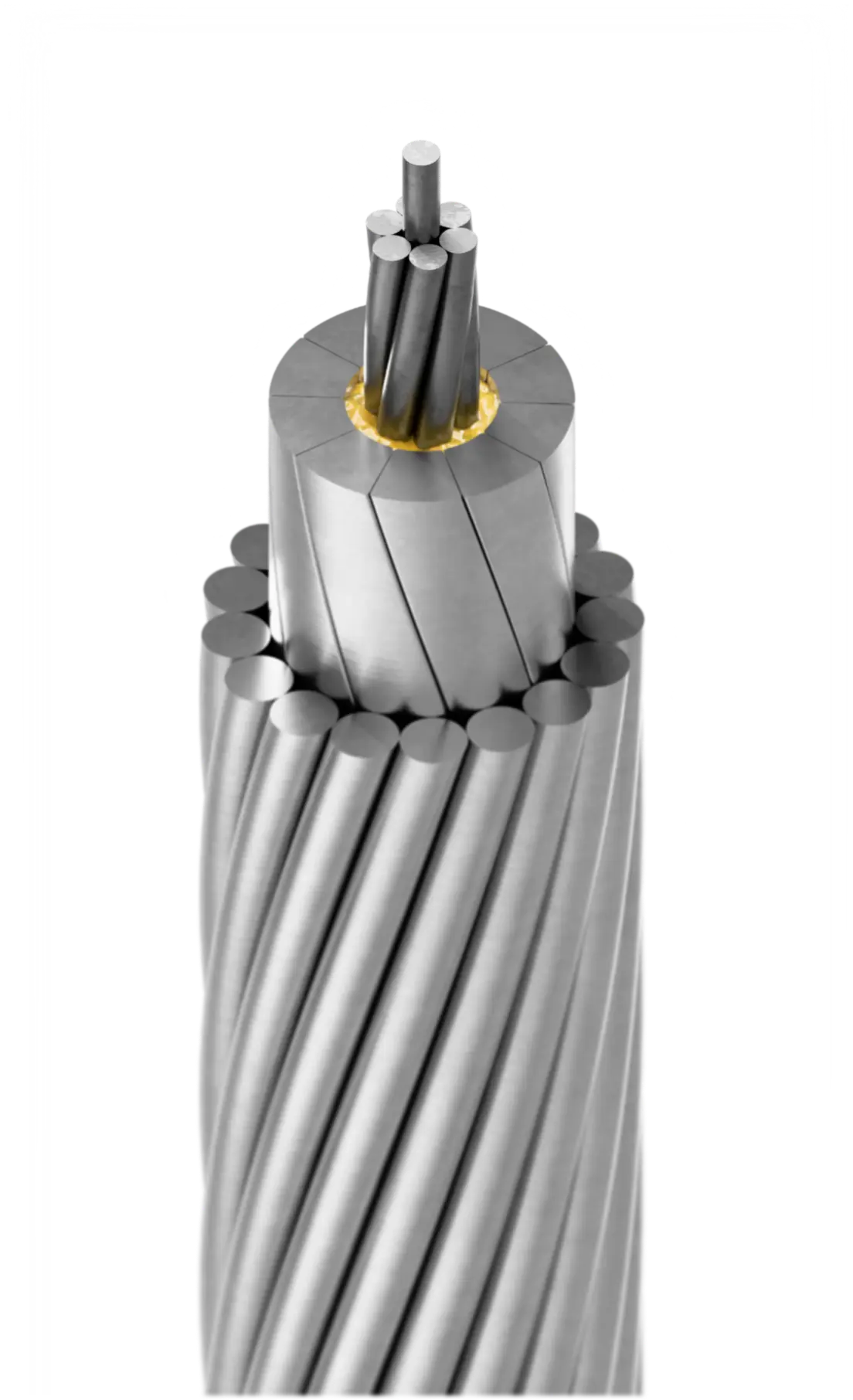
Gap
568 sq mm

Gap
568 sq mm

Standards
Delivering performance consistency and compliance without compromise.
Committed to BS, and IEC requirements, our products uphold global quality standards
FAQs
Got questions? We’ve got answers. Here’s everything you need to know about working with the Sterlite Team.
applications
Where are Gap Type conductors typically used?
Are Gap Type conductors suitable for high-voltage transmission lines?
Can Gap Type conductors be used in areas with heavy ice and wind loads?
What makes Gap Type conductors ideal for long-span installations?
Are Gap Type conductors suitable for urban and renewable energy projects?
FEATURES and BENEFITS
What are the key features of Gap Type conductors?
How do Gap Type conductors reduce aeolian vibration and galloping?
Do Gap Type conductors provide improved ampacity?
Are Gap Type conductors resistant to corrosion and fatigue?
Do Gap Type conductors help optimize transmission efficiency?
Technical Specifications
What is the construction of a Gap Type conductor?
What are the typical electrical and mechanical properties of Gap Type conductors?
How does the gap design affect sag and tensile strength?
What is the maximum operating temperature of Gap Type conductors?
Are Gap Type conductors available in compact and standard designs?
certification and standards
Which standards govern the manufacturing of Gap Type conductors?
Are Gap Type conductors certified for high-voltage applications?
What testing procedures ensure the quality of Gap Type conductors?
Do Gap Type conductors undergo type and routine testing?
procurement and ordering
Can Gap Type conductors be customized for specific project conditions?
What is the typical lead time for Gap Type conductor delivery?
Are bulk order pricing and project-specific terms available?
Do you provide installation and technical support for Gap Type conductors?
What documentation is provided with Gap Type conductor shipments?


Empowering humanity by addressing the toughest challenges of clean energy delivery
Designed and Developed by Figure&Plot
Empowering humanity by addressing the toughest challenges of clean energy delivery
Designed and Developed by Figure&Plot
Empowering humanity by addressing the toughest challenges of clean energy delivery
Designed and Developed by Figure&Plot